 Adoa News Adoa News
Illegal mining, locally known as galamsey, now accounts for a quarter of all fibre-optic network disruptions across Ghana, causing widespread network instability and placing heavy financial burdens on telecommunication companies.
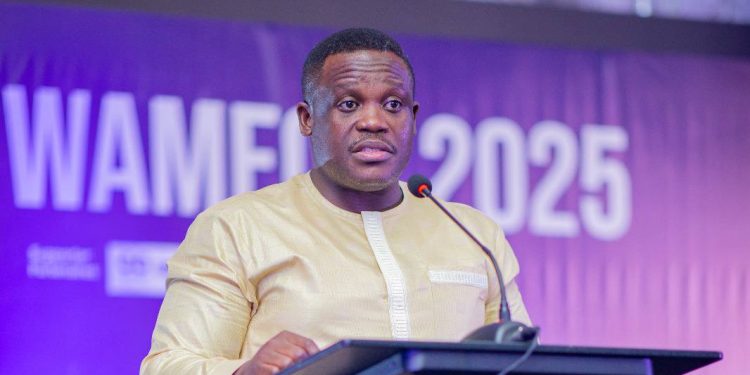
Speaking at the Government Accountability Series on Monday, September 7, 2026, the Minister for Communication, Digital Technology and Innovations, Samuel Nartey George, identified illegal miners as a severe threat to the nation’s digital backbone.
While road construction and private property developers have historically been the primary causes of underground cable damage, the Minister highlighted that galamsey activities have rapidly evolved into a major crisis for telecom providers.
“Twenty-five percent of fibre cuts are a result of galamsey,” Sam George stated. “The telecom industry is one of the worst hit by the activities of galamsey operators. They just go in and make cuts. Road contractors will often report fibre cuts, but galamsey operators won’t report it, and that is a real challenge to the sector.”
The unreported nature of the damage leaves telecom operators scrambling to detect breakages, repair subterranean lines, and restore voice and internet connectivity to affected regions. Because fibre-optic networks carry the bulk of Ghana’s digital traffic, these frequent cuts trigger broader service disruptions for businesses, financial institutions, and everyday consumers.
The Ministry indicated that tracking down damaged cables in illegal mining zones forces service providers to divert significant technical and financial resources toward emergency repairs costs that ultimately strain the broader telecommunications ecosystem.