 Adoa News Adoa News
Efforts to reform Ghana’s public sector compensation system must be backed by broader consultation and constructive dialogue to prevent disagreements from escalating into industrial action.
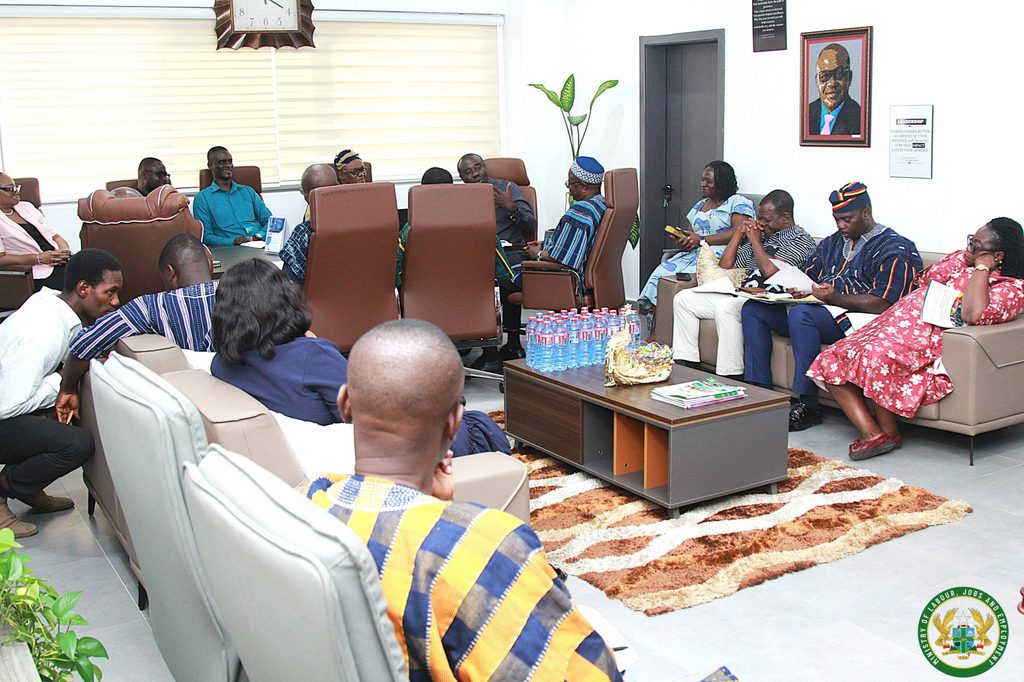
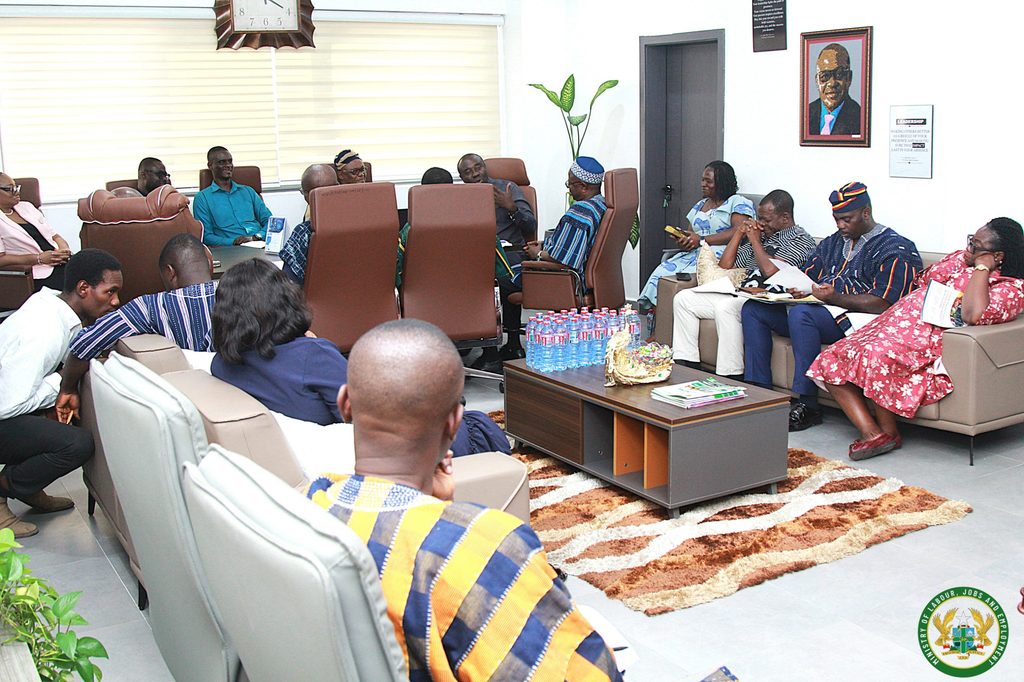
This was the message from the Minister for Labour, Jobs and Employment, Hon. Emmanuel Kwadwo Agyekum, during a working visit to the Fair Wages and Salaries Commission (FWSC), where he called for greater engagement with stakeholders on ongoing wage reforms.
The engagement focused on a number of issues relating to public sector remuneration, allowances, labour relations and the proposed Independent Emoluments Commission.
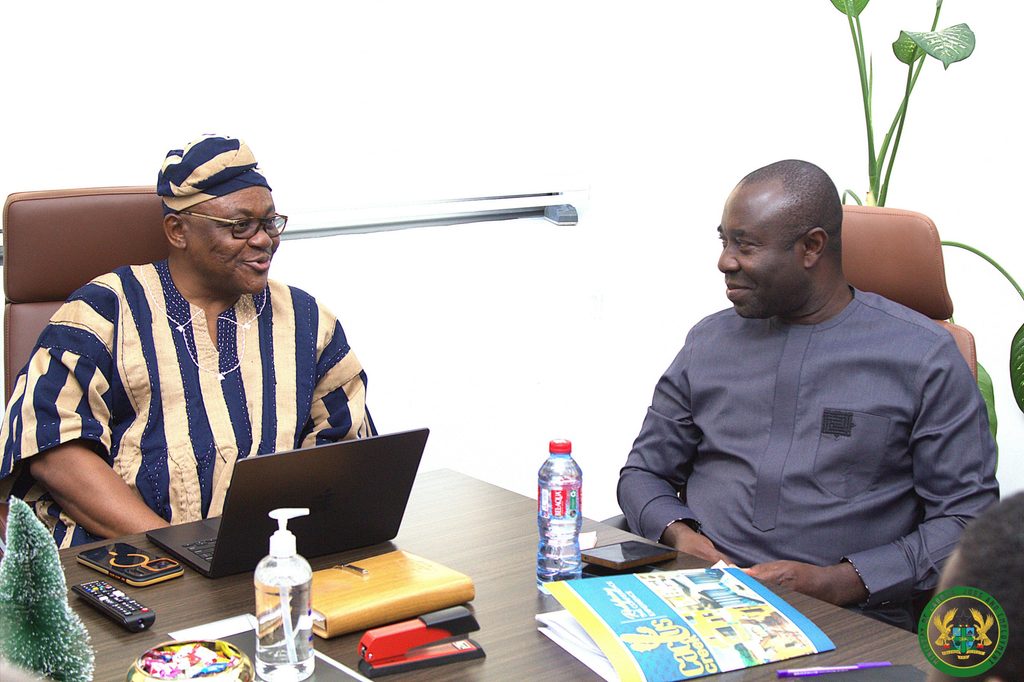
The Minister acknowledged the complexities surrounding the reforms but stressed that the Commission must remain focused on its mandate while engaging broadly with organised labour, affected institutions and other relevant stakeholders.
He said Government was committed to working with the Commission to ensure that the reforms were properly implemented while protecting the interests of workers and maintaining the sustainability of public finances.
Hon. Agyekum noted that some differences in remuneration were rooted in historical arrangements and decisions taken under previous compensation regimes. He therefore encouraged the Commission to clearly explain the rationale behind its decisions and pursue dialogue rather than allow disagreements to escalate into industrial action.
“It’s a matter of negotiation. It’s a matter of explaining it to them,” he stressed, emphasising the importance of constructive engagement in resolving outstanding compensation issues.
The Chief Executive of the FWSC, Dr Graham, explained that successive compensation arrangements had resulted in the introduction of several allowances to address gaps in remuneration.
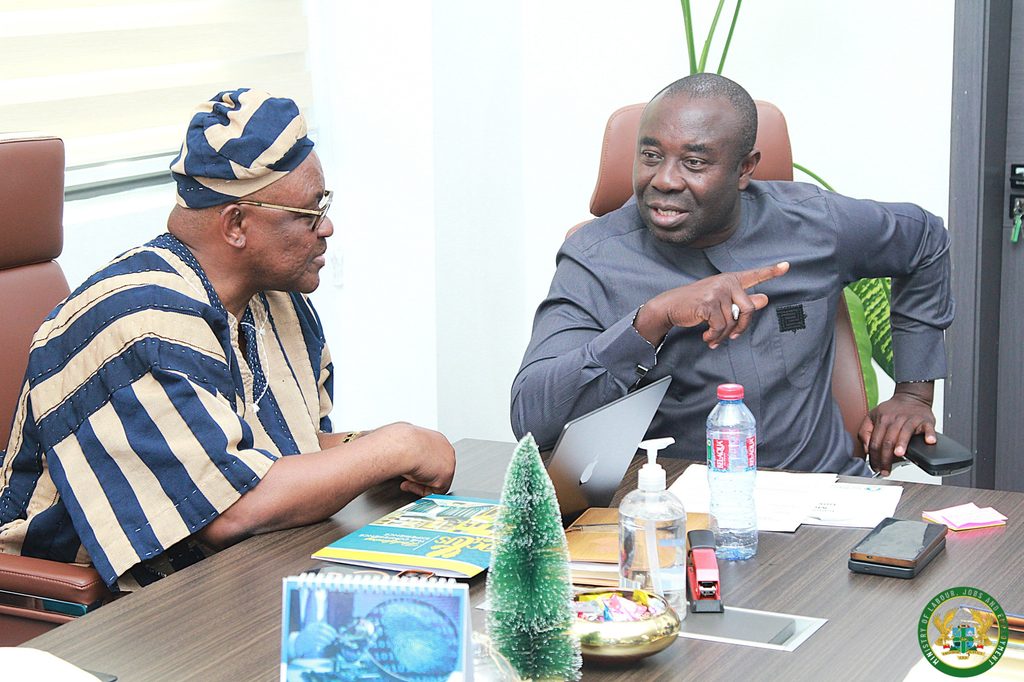
He said the Commission had been working to consolidate some of these allowances as part of the transition towards a more coherent and sustainable compensation framework.
Source: Public Affairs Unit, MLJE