 Adoa News Adoa News
By Georgina Naa Anyema Collison
Duncan Dormor highlights the role of faith communities in confronting injustice and restoring dignity to victims.
The Church has a responsibility to stand with vulnerable people and confront injustices that threaten human dignity, the General Secretary of the United Society Partners in the Gospel (USPG), The Revd Canon Dr. Duncan Dormor, has said.
Dormor said authentic Christian mission cannot be separated from the pursuit of justice, adding that churches must actively respond to issues such as human trafficking, exploitation, poverty, and inequality.
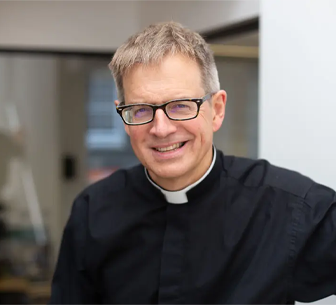
Speaking during his visit to Ghana, he explained that one of USPG’s key areas of focus is championing justice, which seeks to support churches as they address some of the most challenging social problems affecting communities around the world.
“Mission is not only about what happens inside the Church,” Dormer said. “It is also about how we respond to the realities and suffering of people in our communities.”
FAITH IN ACTION THROUGH JUSTICE
USPG, a global Anglican mission agency working with churches across more than 165 countries, focuses on three major areas: rethinking mission, energizing church, and championing justice.
According to Dormor, championing justice reflects the belief that the Church must be present where people experience suffering and injustice.
One example he highlighted is USPG’s work supporting churches involved in combating human trafficking in North India.
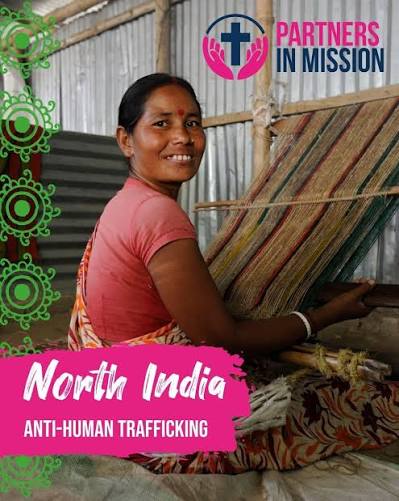
He described the issue as a serious human rights challenge, particularly affecting vulnerable women and girls who are trafficked across borders and exploited.
“There are many young, vulnerable women who are trafficked in Bangladesh and North India into places like Calcutta,” he explained.
Dormor said local churches are playing a significant role in responding to this crisis by providing care, protection, and support to survivors.
“The local Church is doing amazing work compassionate, courageous work to tackle the evil of human trafficking,” he said.
PROTECTING HUMAN DIGNITY
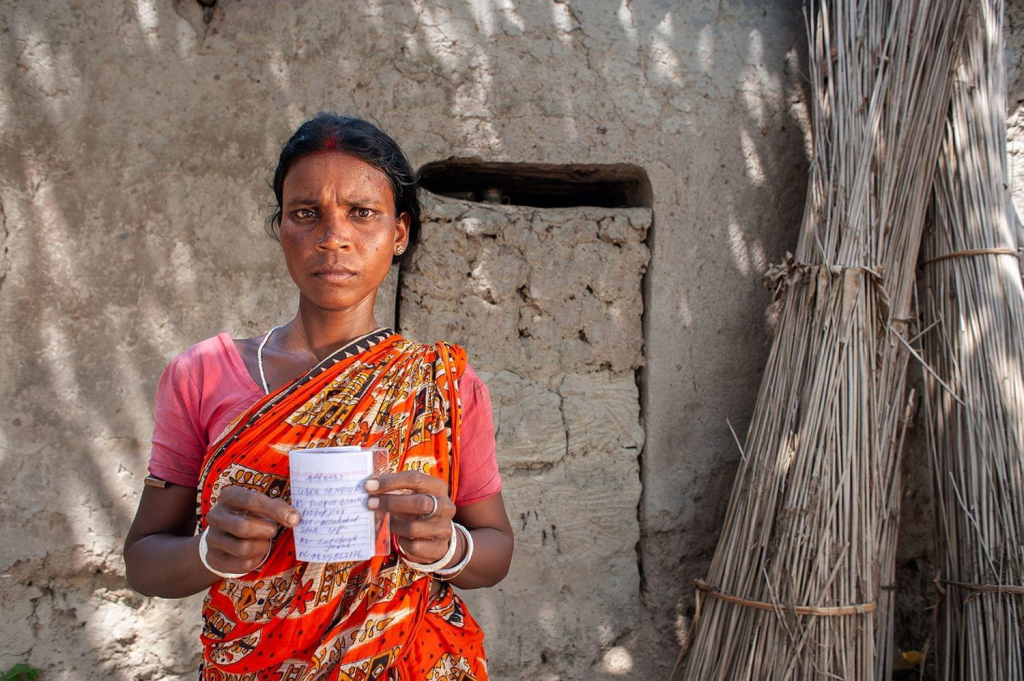
For USPG, the fight against human trafficking is rooted in the Christian understanding that every human being is created with dignity and worth.
Dormor explained that justice work is not separate from the Church’s spiritual mission but is an expression of God’s love for humanity. When churches support vulnerable people, advocate for justice, and challenge systems that allow exploitation to continue, they demonstrate the practical meaning of the Gospel.
He noted that communities facing injustice often need more than temporary assistance. They need long-term support, empowerment, and people willing to stand alongside them.”The Church has a role in bringing hope where there is pain and restoring dignity where people have been abused,” he said.
THE POWER OF LOCAL CHURCHES
Dormor emphasized that one of USPG’s strengths is its partnership with local churches that understand their communities and are already responding to challenges on the ground. Rather than creating solutions from outside, USPG works with churches to strengthen and support initiatives that are locally led.
“We work in deep partnership with churches,” he said.
This approach allows Anglican communities around the world to respond to issues according to their own cultural and social contexts while benefiting from the wider support of the global Anglican Communion.
JUSTICE AS PART OF MISSION
Dormor believes the Church must continue asking difficult questions about its role in society. How can Christians respond to exploitation? How can churches protect vulnerable groups? How can faith communities become advocates for those whose voices are often ignored? These questions, he said, are central to understanding mission in today’s world. The Gospel, according to Dormer, calls Christians not only to proclaim faith but also to demonstrate compassion through action.
A GLOBAL COMMITMENT
From combating human trafficking in Asia to supporting heritage and reconciliation projects in Ghana, USPG’s work reflects a wider commitment to ensuring that the Church remains engaged with the struggles of humanity. Dormor said churches across the Anglican Communion have a unique opportunity to become agents of transformation by standing alongside those who face injustice.
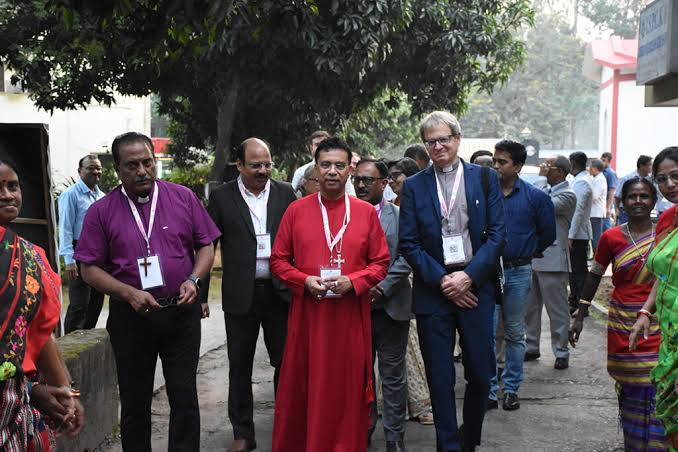
He encouraged faith communities to see justice as a core part of Christian witness. “When we defend the vulnerable and challenge injustice, we are living out the mission of Christ,” he said.
As global challenges continue to affect communities in different ways, USPG believes the Church must remain a place where people find not only spiritual encouragement but also practical support, protection, and hope. For Dormer, championing justice is not simply an additional programme of the Church it is at the heart of what it means to serve God and humanity.