 Adoa News Adoa News
By Georgina Naa Anyema Collison
Duncan Dormor believes that the future of the Church depends on collaboration, leadership development, and learning across cultures.
The strength of the Anglican Communion lies in its ability to walk together across cultures, continents, and communities, the General Secretary of the United Society Partners in the Gospel (USPG), Duncan Dormor, has said.
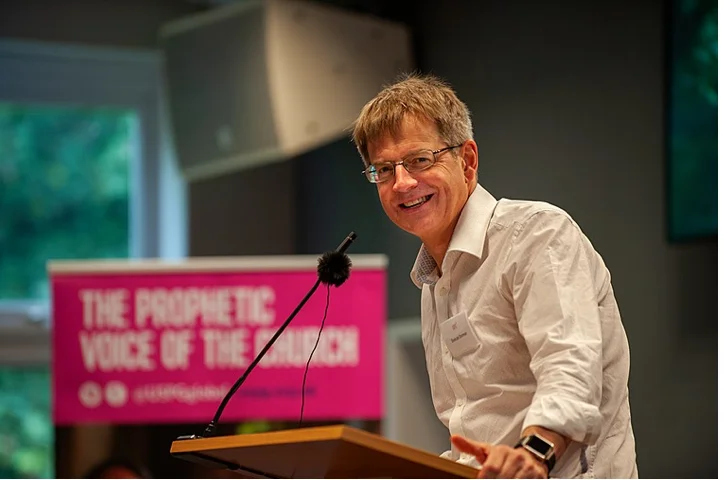
Dormor said USPG’s mission is built on partnership working alongside Anglican churches around the world to strengthen their ministries, develop leaders, and respond to the unique challenges facing their communities.
Speaking during a visit to Ghana, he explained that USPG is not simply an organization that provides support to churches, but a global mission partner that listens, learns, and works together with churches to achieve shared goals.
“We work with churches right across the world, across the Anglican Communion,” he said. “It takes in 165 different countries, and we work in deep partnership with churches, supporting whatever their priorities are and their mission priorities.”
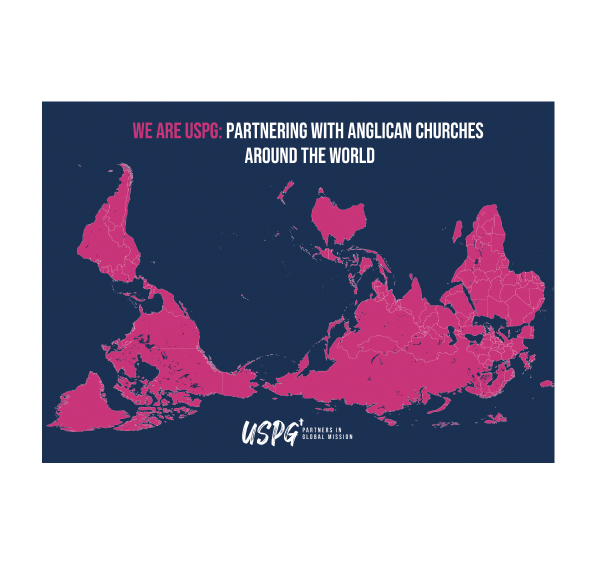
A GLOBAL FAMILY OF FAITH
The Anglican Communion represents one of the world’s largest Christian communities, bringing together churches from different nations and cultural backgrounds. For Dormor, this diversity is one of the Communion’s greatest strengths.
He explained that churches facing different realities can learn from one another, share experiences, and offer support across geographical boundaries.
A church in one part of the world may have solutions, ideas, or experiences that can help another church facing similar challenges elsewhere. “This is the beauty of partnership,” he said. “We are able to share resources, knowledge, and experiences across the global Church.” Through this approach, USPG seeks to ensure that churches are not working in isolation but are connected as part of a wider Anglican family.
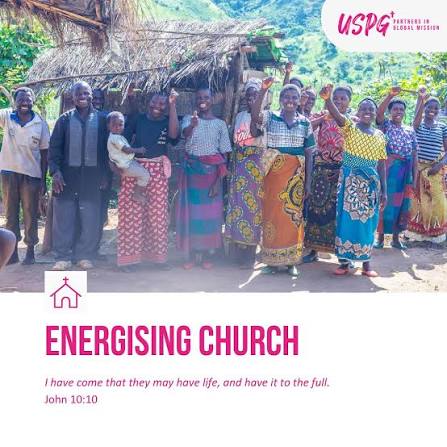
ENERGISING THE CHURCH
One of USPG’s major priorities is what it describes as “energising church” helping churches become stronger, more effective, and better equipped for mission.
Dormor explained that this includes supporting leadership development, strategic workshops, and opportunities for churches to strengthen their ministries. “We might support strategic workshops within churches, leadership development, or sometimes moving people around the world,” he said.
These exchanges allow church leaders and workers from different countries to share knowledge and gain new perspectives.
For example, a church worker from the Philippines may serve in the Caribbean, bringing experiences from one context while learning from another. According to Dormor, such exchanges strengthen not only individuals but also the wider Church.
DEVELOPING LEADERS FOR TOMORROW
Leadership development, he said, is essential because churches operate in constantly changing environments. Today’s church leaders face complex issues, including social challenges, changing demographics, technological transformation, and the need to communicate the Gospel in new ways.
USPG supports churches in developing leaders who can respond faithfully and effectively to these realities. Dormor believes strong leadership helps churches remain vibrant, relevant, and connected to the communities they serve. “A strong Church needs people who are equipped, encouraged, and inspired for mission,” he said.
PARTNERSHIP WITH THE ANGLICAN CHURCH OF GHANA
Dormor described USPG’s relationship with the Anglican Church of Ghana as a strong example of meaningful partnership. The relationship, he said, has developed over several years and is based on mutual respect and shared commitment to mission.
His visit to Ghana included supporting the Church’s Heritage Village and Anglican Centre project, a pilgrim hostel aimed at offering spiritual and emotional support to members of the African diaspora reconnecting with their ancestral history.
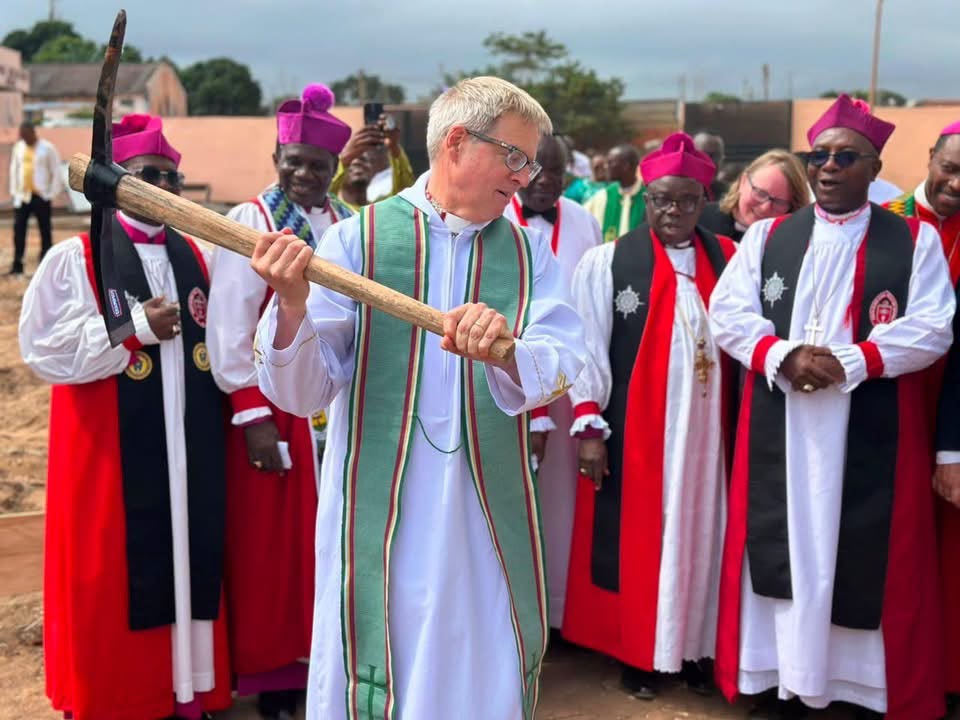
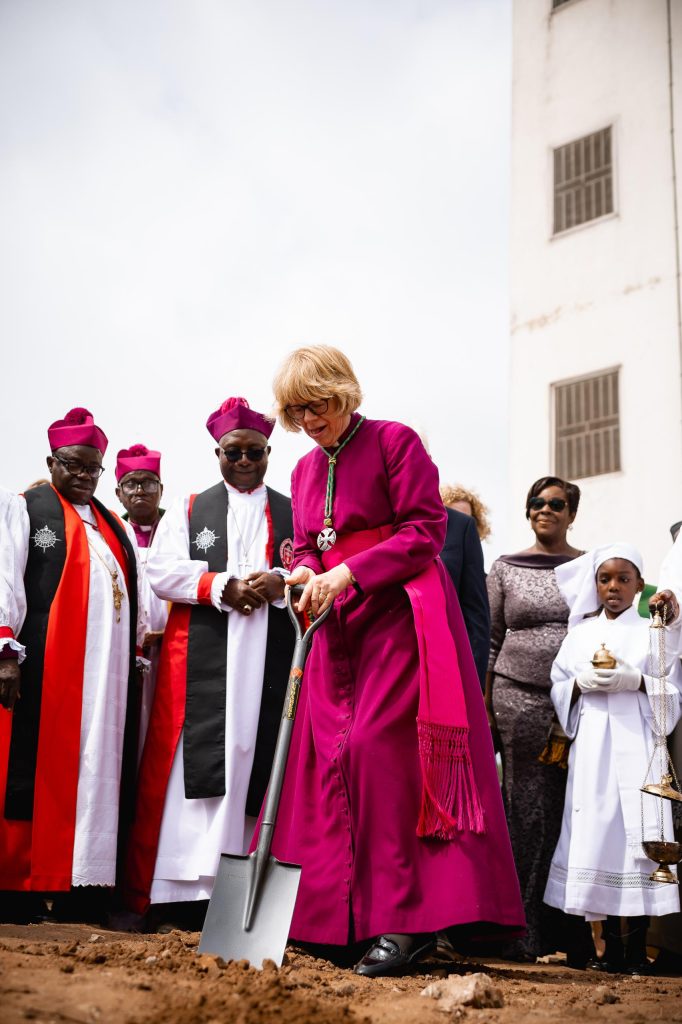
He said the project demonstrates how local churches can develop innovative responses to both spiritual and social needs when supported through global partnerships.
BEYOND FINANCIAL SUPPORT
Dormor stressed that partnership is not only about resources or funding. True partnership involves listening, learning, and recognizing that every church has something valuable to contribute. “The relationship is mutual,” he said. “We learn from one another.”
He explained that churches in the Global South, including Ghana, have important experiences and perspectives that enrich the wider Anglican Communion. The future of mission, he believes, depends on churches standing together and recognizing their shared responsibility.
ONE CHURCH, MANY CONTEXTS
As the world continues to face challenges ranging from climate change and inequality to migration and social injustice, Dormer believes the Church must remain connected and collaborative.
Through global partnerships, USPG hopes to strengthen churches so they can continue proclaiming the Gospel while serving their communities.
For Dormor, the message is clear: mission is strongest when people walk together. “Partnership is at the heart of what we do,” he said.
As USPG continues its work across the Anglican Communion, its vision remains focused on a connected global Church one where different communities share faith, learn from one another, and work together to bring hope and transformation to the world.