Adoa News Adoa News
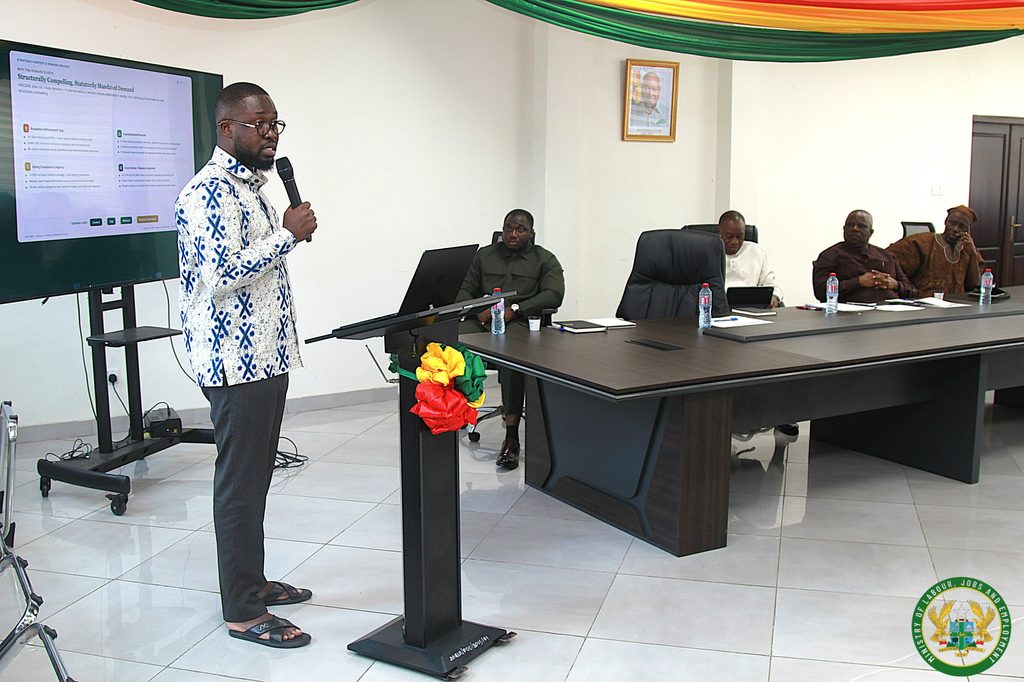
The government is set to overhaul Ghana’s workplace inspection and occupational safety regime with the introduction of a new digital system designed to identify high-risk workplaces and prevent accidents before they occur.
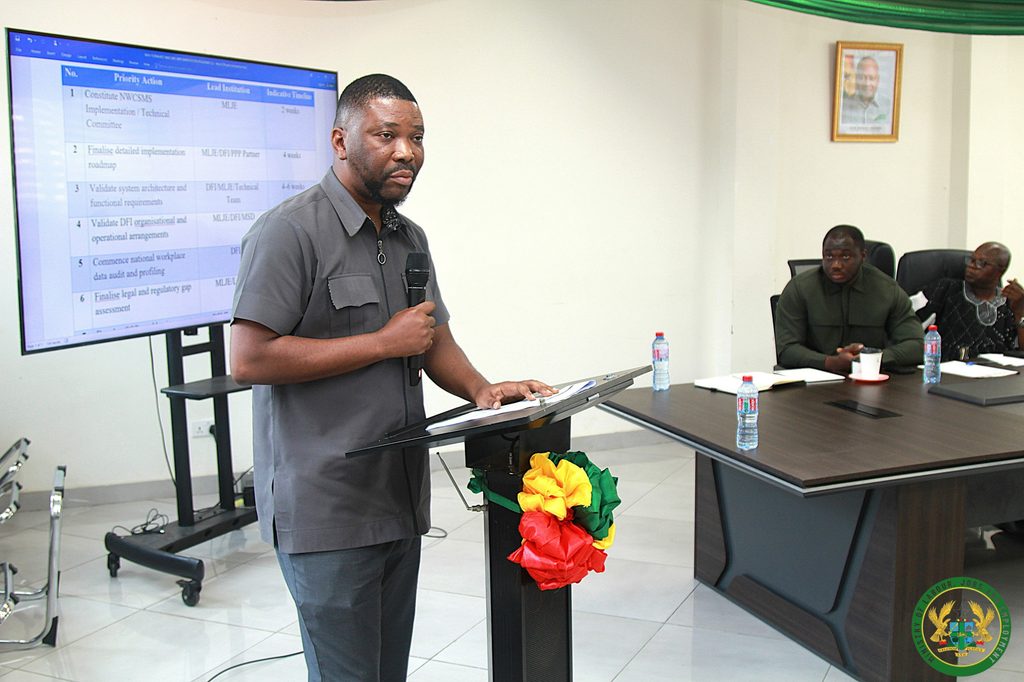
The National Workplace Compliance and Safety Management System (NWCSMS), being introduced through the Ministry of Labour, Jobs and Employment, will replace the largely manual and paper-based approach to workplace inspections with an integrated, data-driven and risk-based platform.
The system is expected to give the Department of Factories Inspectorate (DFI) better tools to monitor compliance, identify workplaces requiring urgent attention and take preventive action against workplace accidents, injuries and occupational diseases.
Safety to become shared responsibility
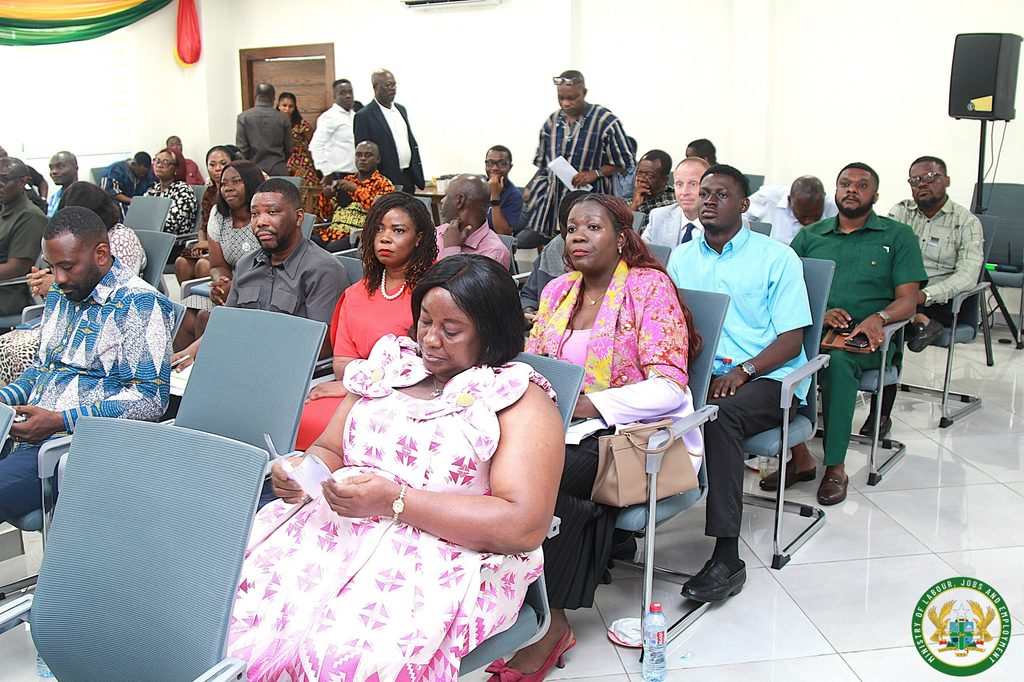
Launching the initiative, Minister for Labour, Jobs and Employment, Dr Abdul-Rashid Hassan Pelpuo, said the effectiveness of the new system would depend on close cooperation among government, employers and workers.
He said Ghana’s efforts to create sustainable and decent employment opportunities must be matched by stronger measures to protect workers from unsafe conditions.
According to the Minister, workplace safety cannot be left solely to government inspectors, but requires the active involvement of all social partners.
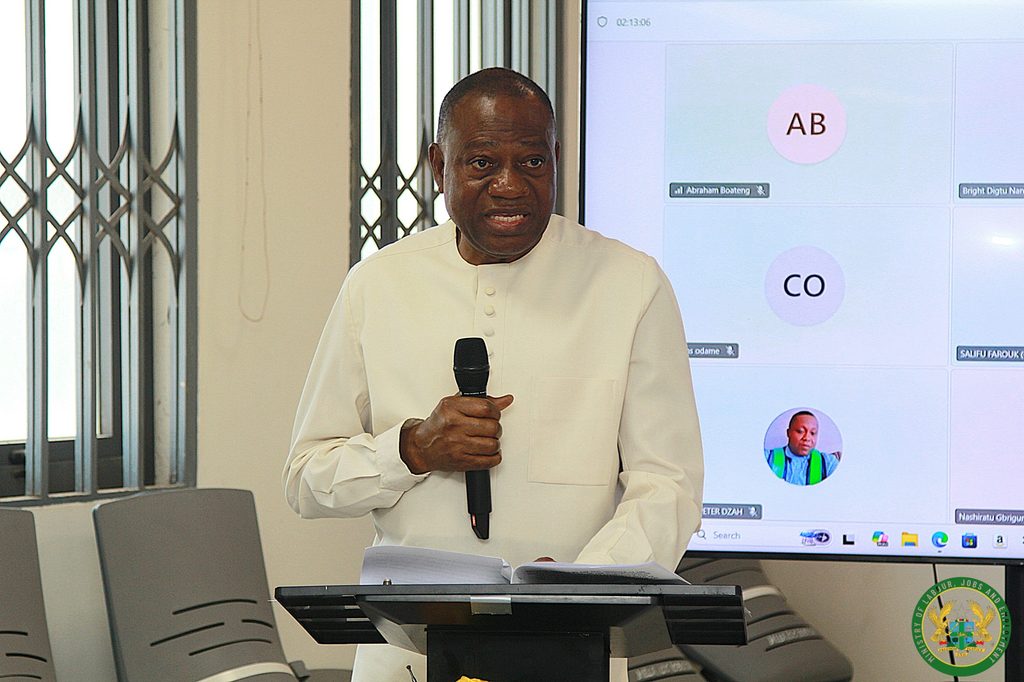
He said tripartism and social dialogue would therefore be central to the implementation of the NWCSMS, helping to promote a workplace culture built around prevention, accountability and continuous improvement.
Dr Pelpuo stressed that economic growth and worker safety must go together, arguing that Ghana could not build a productive economy on unsafe workplaces.
He said workers must have access to safe, healthy and dignified working environments to enable them to contribute effectively to national development.
Calls for overhaul of workplace inspectorate
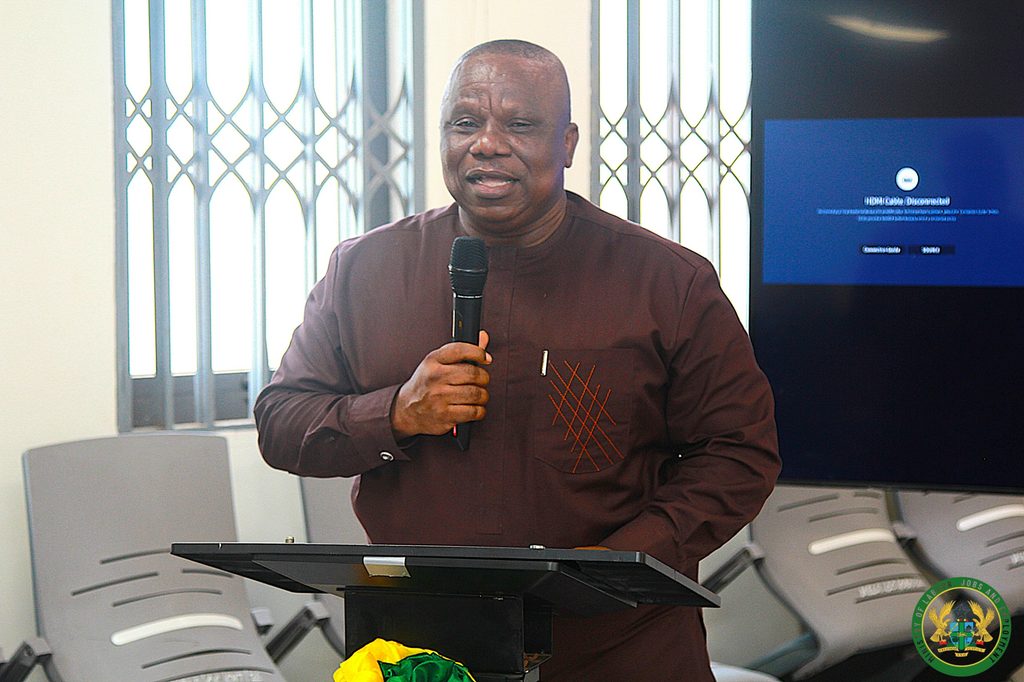
Representing the Head of the Civil Service, Chief Director of the Office of the Head of the Civil Service, Sylvanus Adzornu, said the initiative formed part of government’s broader drive to modernise public institutions through digital transformation.
Mr Adzornu called for a review of the DFI’s Organisational Manual to bring its operations in line with modern workplace safety standards and practices.
He noted that the existing legislative framework governing the inspectorate dates back several decades and requires updating to reflect current realities.
He also stressed the need for the new system to provide benefits for both the public sector and private businesses.
System goes beyond technology
Chief Director of the Ministry, Hamidu Adakurugu, cautioned that the NWCSMS should not be viewed simply as an information technology project.
He said its success would also require improvements in institutional capacity, human resources, organisational structures and change management.
Mr Adakurugu said government, employers and workers must take collective ownership of the initiative, with tripartism and social dialogue serving as the foundation for its implementation.
Focus on prevention
Once fully operational, the NWCSMS is expected to make workplace inspections more targeted by allowing the DFI to use data and risk assessments to prioritise workplaces with higher safety risks.
The system is also expected to strengthen compliance monitoring and enable authorities to respond more proactively to potential hazards.
Government believes the initiative will ultimately help establish a stronger culture of prevention and accountability, while improving the efficiency of workplace regulation.
The broader objective is to ensure that workers across Ghana can operate in environments that are safe, healthy and productive, while respecting their dignity and rights.