 Adoa News Adoa News
The Ghana Taekwondo Federation (GTF) has engaged 315 students from five schools in the Upper West Region as part of its nationwide Regional Taekwondo Awareness Campaign, which aims to bring the sport closer to schools and communities while promoting discipline, physical fitness and youth development.
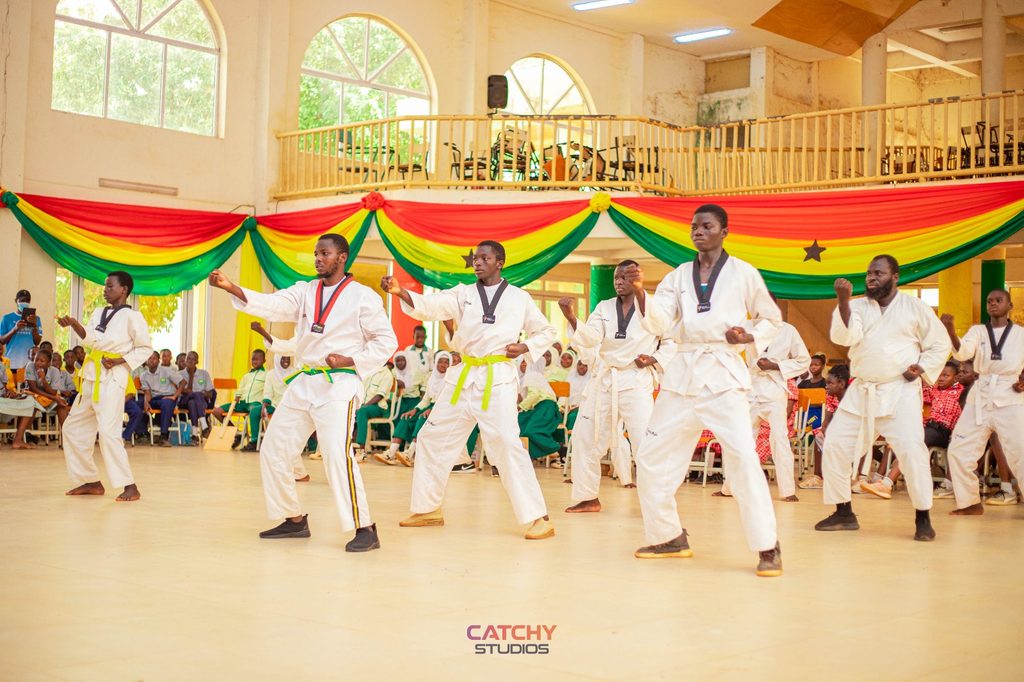
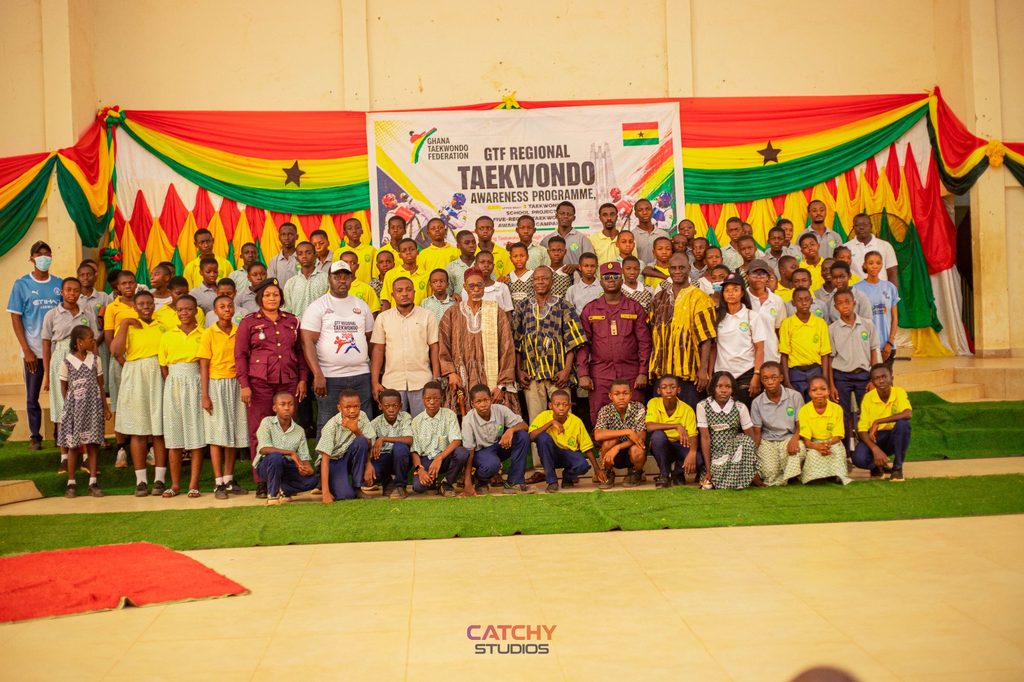
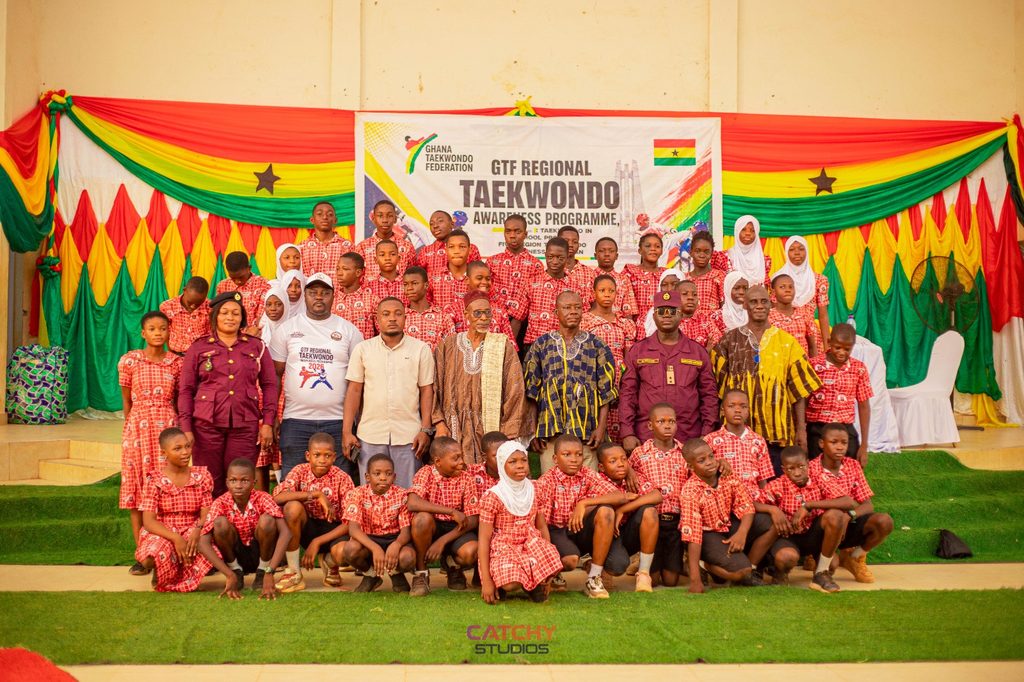
The third edition of the campaign was held on Friday, 30 October 2026, at the Wa Technical Institute, following earlier engagements in Kumasi and Cape Coast. The event brought together students, traditional authorities, sports administrators, educators, Taekwondo practitioners and representatives of key institutions.
Organised by the Federation through its regional associations, the campaign seeks to raise awareness of Taekwondo, identify emerging talent and give young people opportunities to develop the physical, mental and personal qualities associated with the martial art.
A growing national footprint
The first programme took place on 25 September at the Baba Yara Sports Stadium in Kumasi, Ashanti Region. About 500 students from 15 private schools took part in demonstrations, including Poomsae and self-defence. The second was held on 15 October at the Cape Coast Sports Stadium, where 200 students from six schools participated.
With the Wa programme, the campaign has now reached more than 1,000 students across 26 schools in the Ashanti, Central and Upper West regions, extending the Federation’s grassroots development efforts beyond the traditional centres of the sport.
“More than a martial art”
Speaking on behalf of GTF President Frederick Lartey Otu, Secretary-General Kankpenuba Peter Nuntaa Wisdom said Taekwondo offers young people skills and values that extend beyond sport.
“Taekwondo is more than a martial art. It is a discipline that teaches respect, self-control, perseverance, confidence and responsibility,” he said.
He explained that the campaign seeks to bring the sport into schools and communities, identify emerging talent and build stronger partnerships with educational institutions and sports stakeholders. He urged students to take an active interest in the demonstrations, and encouraged teachers and school administrators to create opportunities for learners to take part in organised sports and extracurricular activities.
Stakeholders pledge support
The programme was supported by regional stakeholders, including the National Sports Authority (NSA), the Ghana Education Service (GES), the Narcotics Control Commission (NACOC) and traditional authorities.
The NSA Regional Sports Development Officer, Biliguo Johnbosco, commended the Federation and the Upper West Regional Taekwondo Association for the initiative and reaffirmed the Authority’s commitment to grassroots sports development and talent identification. He stressed the importance of making sporting opportunities accessible to everyone, including girls and persons with disabilities, and called for stronger partnerships to expand participation in schools and communities.
The GES Regional Physical Education Coordinator, Julius Angsomwine, expressed the Service’s willingness to support the introduction of Taekwondo in schools. He noted, however, that the necessary administrative authorisation must be obtained before the Association can undertake activities within schools.
“We are looking forward to that permission,” he said, assuring the organisers that the Service would play its part once the required processes were completed.
Calls for sustained growth
Traditional leader Sunche Naa Daudi Osman Yakubu Saaka encouraged the organisers to sustain the initiative and urged young people to embrace physical activities that promote healthy living. Drawing on his own experience as a former sportsman, he said activities that keep young people fit and active deserve encouragement, and expressed confidence that interest in Taekwondo would grow as more young people are introduced to it.
A former Taekwondo practitioner and former Headmaster of Nandom Senior High School, Mr Magnus, called for more Taekwondo clubs across the Upper West Region, particularly in schools and towns where earlier clubs have ceased operating. Recalling the early development of martial arts in the region, he stressed the need for sustained institutional support to prevent the sport from going through repeated cycles of growth and decline.
“Taekwondo is not about fighting. It is a self-defence system,” he said, adding that its wider benefits include physical fitness, discipline and responsible conduct.
Warning against substance abuse
The Wa Municipal Commander of the Narcotics Control Commission, JB Abesig, used the occasion to caution students against substance abuse, particularly the misuse of medication and other substances to improve physical performance or stay awake to study.
He explained that substance abuse can affect memory and learning, damage health and jeopardise future opportunities. “Some substances go to block your memory,” he cautioned, urging students to make informed choices and avoid medication that has not been prescribed for them.
Building a stronger foundation
The programme also helped strengthen relationships between the Federation, schools, traditional authorities and sports development institutions, all of which have a role in creating an environment where young people can discover and develop their sporting abilities.
Through the campaign, the GTF is seeking to build a stronger foundation for the sport by expanding its reach, encouraging inclusive participation and identifying talent at the grassroots level. With engagements now held in three regions, the Federation says it will continue its drive to make Taekwondo more accessible to young people across Ghana.
By: GTF Communications